Singles in Taiwan are increasingly meeting partners through outdoor activities, skill-sharing workshops, volunteer projects, and activity-based apps rather than traditional swipe-based dating platforms. With over 3.1 million unmarried adults aged 25 to 44 in Taiwan and a government survey showing that 56.8% cite "lack of meeting channels" as their primary barrier to partnership (National Development Council, 2024), alternatives to conventional dating apps have become not just trendy but necessary. Taiwan's total fertility rate fell to 0.87 in 2024, the lowest globally according to the CIA World Factbook, intensifying public and governmental interest in how young people form relationships.
At the same time, dating app fatigue has reached a tipping point. A 2023 Pew Research Center study found that 46% of U.S. dating app users described the experience as "mostly negative," a sentiment mirrored globally. In Taiwan, community surveys on PTT and Dcard regularly surface frustration with superficial swiping, ghosting, and the emotional toll of algorithm-driven matching. The result is a quiet revolution: singles are turning to real-world, activity-driven ways to meet people that feel more natural, more fun, and more likely to lead to genuine connections.
Why Are Singles in Taiwan Moving Beyond Dating Apps?
The backlash against dating apps is not just anecdotal. Dr. Eli Finkel, a psychology professor at Northwestern University and author of The All-or-Nothing Marriage, has argued that dating apps "create an illusion of abundance that paradoxically makes it harder to commit to any single person." His research shows that the endless-scroll format activates a maximizing mindset where users perpetually seek a "better" option rather than investing in a present connection (Finkel et al., 2012, Psychological Science in the Public Interest).
In Taiwan specifically, cultural factors amplify this problem. Many Taiwanese singles report that dating apps feel transactional and pressure-filled, clashing with a cultural preference for relationships that develop gradually through shared social contexts. A 2023 survey by the Taiwanese dating platform Pairs found that 67% of respondents preferred meeting someone through mutual activities or friends rather than cold-matching on an app. This preference has fueled five major alternative channels that are reshaping how singles connect on the island.
1. Outdoor Sports Communities: Where Movement Creates Connection
Taiwan's geography is a natural matchmaker. With over 250 peaks above 3,000 meters, 1,200 kilometers of coastline, and a subtropical climate that allows year-round outdoor activity, the island offers an unusually rich environment for activity-based socializing. Hiking groups, trail running clubs, surfing meetups in Yilan and Taitung, and cycling communities along the scenic west coast have all seen membership surges since 2022.
The psychological mechanism behind this is well-documented. Dr. Arthur Aron's landmark 1997 study at Stony Brook University demonstrated that sharing a novel, mildly challenging experience with a stranger can generate intimacy equivalent to months of conventional socializing (Aron et al., 1997, Journal of Personality and Social Psychology). When two people summit a mountain together, navigate whitewater rapids, or complete a 60-kilometer cycling route, they create what psychologists call a "shared reality" — a powerful bonding mechanism that no amount of text-based chatting can replicate.
Platforms like GRASS have tapped into this trend by building an app specifically designed around outdoor activity matching. Its Find Buddy feature lets users pick an activity — from hiking and climbing to kayaking and camping — and connect with others who want to join, creating low-pressure one-on-one activity dates. The app's Outdoor Passport showcases each user's activity history across 32+ sport types, replacing the typical "selfie and bio" profile with a richer picture of who someone actually is and what they enjoy doing. For those who prefer group settings, the Group Adventure feature organizes multi-person outdoor outings that feel more like friend-group hangs than formal dates.
2. Skill-Sharing Workshops: Learning Together as a Dating Strategy
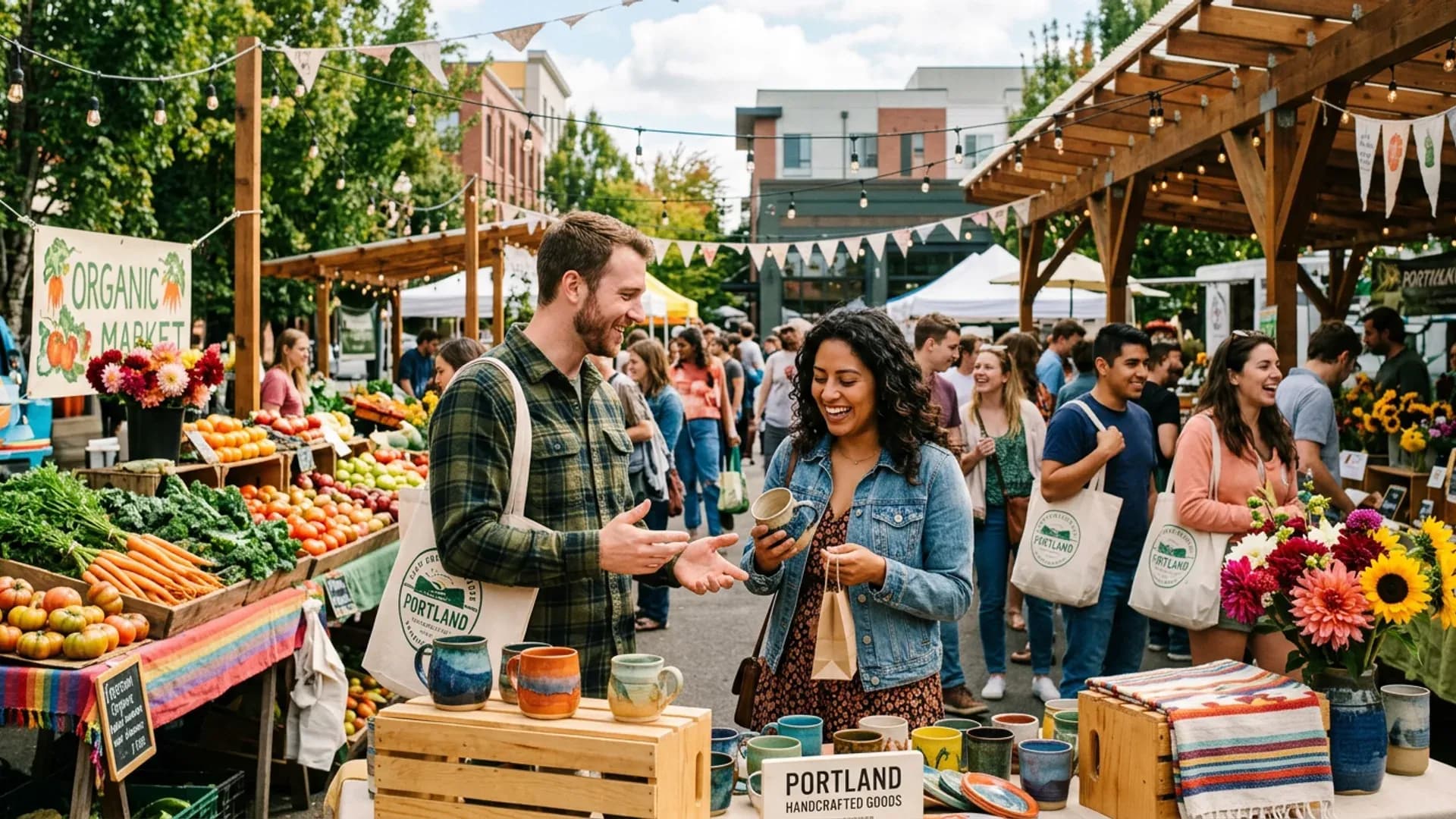
The skill-sharing economy in Taiwan has exploded, and singles have noticed. Platforms like Hahow, Niceday, and FunNow offer workshops in everything from pottery and coffee roasting to urban sketching and fermentation. What makes these settings ideal for meeting people is their built-in structure: you have a shared task, a natural conversation topic, and a defined time frame that removes the awkwardness of "how long should we stay?"
Research supports this approach. A 2021 study published in the Journal of Social and Personal Relationships found that collaborative tasks that require partners to coordinate and communicate produce significantly stronger interpersonal attraction than passive shared experiences like watching a movie (Welker et al., 2021). The key ingredient is "interdependence" — when two people must rely on each other to accomplish something, trust and rapport develop rapidly.
Popular workshop categories for singles in Taiwan include cooking classes (especially Japanese or Italian cuisine, which require teamwork), outdoor photography walks, ceramic and pottery studios, and mixology workshops. Taipei, Taichung, and Kaohsiung all have thriving workshop scenes, with many events specifically marketed to solo participants.
3. Volunteer and Community Projects: Shared Purpose, Genuine Character
Volunteering has long been one of the most underrated ways to meet like-minded people, and Taiwan's robust volunteer culture makes it especially accessible. Beach cleanups organized by groups like RE-THINK, trail maintenance with national park associations, animal shelter volunteering, and community garden projects all draw large numbers of young singles.
The advantage of volunteer settings is that they reveal character under authentic conditions. You see how someone treats people when there is nothing to gain, how they handle physical discomfort, and whether they follow through on commitments. A 2022 study from the University of British Columbia found that people who volunteer regularly report 22% higher relationship satisfaction, which researchers attributed to the "values alignment" that volunteer settings naturally facilitate (Poulin & Bhullar, 2022, Personality and Social Psychology Bulletin). When you meet someone at a beach cleanup, you already know you share at least one core value.
For expats in Taiwan, volunteer projects carry the additional benefit of cultural immersion. Organizations like Habitat for Humanity Taiwan, TOPS (Taiwan Overseas Peace Service), and local animal rescue groups welcome non-Mandarin speakers and provide a more meaningful entry point into Taiwanese social circles than a bar or dating app ever could.
4. Friend-Facilitated Group Socializing: The Return of the Introduction
One of the most effective alternatives to dating apps in Taiwan is also the oldest: meeting through friends. But in 2026, this approach has been modernized. Group hiking trips, barbecue gatherings, board game nights, and "friend-of-a-friend" dinner parties are being organized with intentionality, often through LINE groups, Instagram close-friends stories, or dedicated social apps.
The concept aligns with what sociologists call "weak tie theory" — the idea, first proposed by Stanford sociologist Mark Granovetter in 1973, that your most valuable connections come not from close friends but from acquaintances and friends-of-friends. A 2020 meta-analysis in the Journal of Marriage and Family confirmed that couples who meet through mutual social networks report higher initial trust and 31% lower breakup rates in the first two years compared to couples who meet through apps or random encounters (Rosenfeld, Thomas & Hausen, 2020).
In Taiwanese culture, the concept of "team dating" (聯誼) has evolved from formal, often awkward multi-couple dinners into more relaxed group outings. Outdoor activities work particularly well in this format because they reduce the pressure of face-to-face conversation and create natural, shared experiences. A group camping trip or coastal day hike gives everyone the space to interact organically without the forced intimacy of a one-on-one date.
5. Activity-Based Dating Apps: Technology That Puts Experience First
Not all dating technology relies on the swipe-and-match formula. A new generation of apps focuses on shared activities rather than profile photos. These platforms recognize that who someone is emerges more clearly through what they do than what they write in a 150-character bio.
GRASS is a prominent example in the Taiwan market, built around outdoor activity matching rather than appearance-based swiping. Users choose from 32+ sport types, and the matching system connects people based on shared activity interests and geographic proximity. The app's Hot Air Balloon random chat feature offers spontaneous conversation without the pressure of a formal match, while built-in safety features — including three-layer verification (AI screening, behavioral monitoring, and facial plus real-name verification) — address the trust concerns that plague traditional platforms.
The activity-first model works because it changes the fundamental dynamic of online dating. Instead of evaluating a stranger's photos and hoping for chemistry, you start with a shared interest and let the relationship develop through doing something together. It's closer to how people naturally formed connections before dating apps existed — but with the reach and convenience that technology provides.
How to Get Started: Practical Tips for Singles in Taiwan
If you are ready to move beyond swiping, here are concrete steps to begin:
- Start with what you enjoy. The most successful alternative dating strategy is one built around activities you genuinely like. If you force yourself into hiking when you prefer pottery, the inauthenticity will show.
- Join at least two recurring communities. Consistency matters. Showing up regularly at a trail running group or workshop series gives relationships time to develop naturally, unlike the one-shot pressure of a first date.
- Use technology as a bridge, not a destination. Apps like GRASS work best when used to find activity partners and then transition quickly to real-world interaction. The goal is face-to-face time, not endless messaging.
- Lower the stakes. Frame outings as "doing something fun" rather than "going on a date." This reduces anxiety for both parties and paradoxically increases the chances of a genuine connection forming.
- Be open to indirect paths. The person you meet at a volunteer project might not be your future partner — but they might introduce you to someone who is. Building a broad, activity-rich social life creates more opportunities than any algorithm.
Frequently Asked Questions
Is it really possible to meet a partner through outdoor activities in Taiwan?
Yes. Taiwan's compact geography and thriving outdoor culture create abundant opportunities. With over 250 mountains above 3,000 meters, extensive coastal trails, and a year-round outdoor season, activity-based communities are large and active. Research consistently shows that shared physical experiences build attraction and trust faster than text-based interaction (Aron et al., 1997). Many couples in Taiwan's outdoor communities report that they met through group hikes, surf trips, or cycling events.
What if I'm an expat and don't speak fluent Mandarin?
Activity-based socializing actually works better across language barriers than app-based dating, because the activity itself provides shared context and non-verbal communication. Many hiking groups, volunteer organizations, and workshop platforms in Taipei and other major cities welcome English speakers. Apps like GRASS also support English-language profiles, and outdoor activities naturally bridge language gaps through shared action rather than conversation alone.
Are activity-based dating apps safer than traditional ones?
Safety depends on the specific platform, but activity-based apps often incorporate stronger verification because their model depends on real-world meetups. GRASS, for example, uses a three-layer safety system: AI-powered screening during registration, automated detection of suspicious behavior patterns, and optional facial plus real-name verification. Additionally, group activity features like Group Adventure provide a safer first-meeting context than one-on-one encounters with strangers.
How much does it cost to use alternative meeting methods in Taiwan?
Most outdoor communities and volunteer groups are free to join. Skill-sharing workshops typically range from NT$500 to NT$2,000 per session depending on the activity and materials. Activity-based dating apps vary: GRASS offers a free tier with core features, a Premium plan at NT$790/month, and an Ultimate plan at NT$1,290/month. Compared to the cumulative cost of traditional dating (dinners, drinks, and the emotional toll of swipe fatigue), activity-based alternatives often prove more cost-effective and personally rewarding.