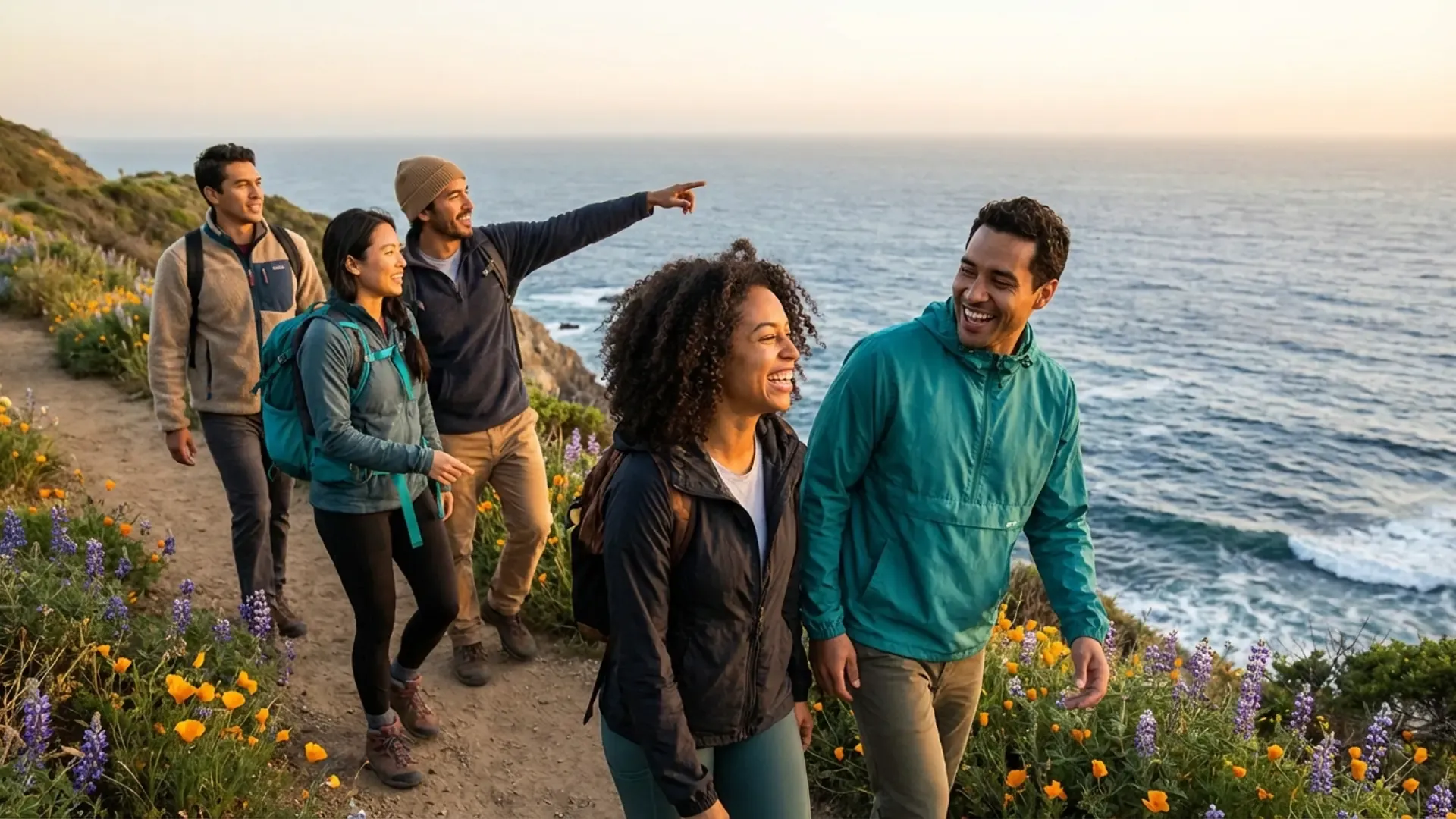
Slow dating is the intentional practice of reducing your dating volume to increase your dating quality. Instead of juggling 15 conversations that go nowhere, you focus your time and energy on 2-3 people you actually want to get to know. It's not passive. It's not playing hard to get. It's a deliberate strategy backed by behavioral science and endorsed by the very apps that built the swiping culture.
Bumble named slow dating as a top trend in their 2023 Year in Review. Hinge reported that users who intentionally reduced their active matches were 40% more likely to go on an in-person date. And according to Bumble's own data, the majority of Gen Z and millennial singles now say they'd prefer "fewer, deeper connections" over "more options." The backlash against swipe culture isn't coming—it's already here.
Why does swiping faster lead to worse outcomes?
The fundamental problem with modern dating apps isn't the technology—it's the behavioral loop they create. Psychologist Barry Schwartz identified this in his landmark book The Paradox of Choice (2004): when people face an overwhelming number of options, they experience decision fatigue, lower satisfaction with their eventual choice, and a persistent feeling that "something better" is just one more swipe away.
The data backs this up. According to Pew Research Center's 2023 dating survey, 46% of U.S. dating app users describe the experience as "frustrating." Hinge has publicly reported that the vast majority of matches on swiping-based platforms never result in an in-person meeting. Most conversations fizzle within the first few days—barely enough time to learn someone's last name, let alone form a genuine connection.
The cycle looks like this:
- More matches → less attention per person → shallow conversations
- Shallow conversations → "this person is boring" → swipe again
- Swipe again → more shallow matches → deeper fatigue
Slow dating breaks this cycle by removing the volume incentive entirely. (Related: Dating App Fatigue? Science Says Outdoor Adventure Is the Best Cure)
What are the 4 core principles of slow dating?
Slow dating isn't a rigid rulebook. It's a mindset shift. These four principles, drawn from behavioral research and real user outcomes, form its foundation:
1. Cap your active conversations
Bumble's 2024 trend report revealed that their most successful long-term users shared a common habit: they maintained only 2-3 active conversations at any given time. Not because they got fewer matches, but because they actively chose to focus. When you're only talking to three people, you remember what each person said about their weekend, their dog's name, their weirdest travel story. Those details are what turn a generic chat into a real connection.
2. Build context before meeting
The "meet within 72 hours" advice is popular but flawed. Hinge's research team found that users who spent 5-7 days messaging before a first date reported 62% higher satisfaction with that date compared to those who met quickly. The reason: when you already know someone's communication style, humor, and basic values, the in-person meeting feels like a continuation rather than a cold start.
3. Prioritize depth over frequency
Relationship researchers have consistently found that the quality of dates matters far more than the quantity. Seeing someone 1-2 times per week with genuine engagement tends to build stronger connections than dating 5 different people in the same period. Why? High-frequency dating pushes you into "evaluation mode" instead of "connection mode." You start scoring instead of feeling. This is what some researchers call mindful dating—being fully present rather than mentally comparing.
4. Replace interviews with experiences
"What do you do for work?" "Where did you grow up?" "What are you looking for?" This is the standard coffee date script, and it's why first dates feel like job interviews. Slow dating advocates replacing sit-and-talk formats with activity-based dates—hiking together, cooking a meal, visiting a farmers market, joining a running club.
Research by Aron et al. (2000), published in Personality and Social Psychology Bulletin, found that shared novel experiences create significantly stronger interpersonal bonds than face-to-face conversation alone. When you're doing something together, conversation flows naturally around the experience instead of requiring constant verbal performance.
(Related: Outdoor Dating vs. Coffee Dates: What Science Says About Where You Meet)
How to practice slow dating in 2026
Here's what slow dating looks like in practice, whether you're on apps or meeting people offline:
On dating apps
- Set a daily time limit: 15 minutes of swiping, then close the app. This forces selectivity.
- Unmatch proactively: if a conversation feels forced after 3 days, end it gracefully rather than letting it linger.
- Use voice notes: Hinge and Bumble both support audio messages. Hearing someone's voice before meeting adds a layer of authenticity that text can't replicate.
- Suggest activity dates: "Want to check out the Saturday farmers market?" beats "Want to get coffee sometime?" every time.
In real life
- Join recurring group activities: trail running clubs, climbing gyms, volunteer groups, community sports leagues. The "repeated exposure" factor (called the mere exposure effect in psychology) means you naturally develop comfort and connection over multiple encounters.
- Attend smaller events: a 20-person hiking group beats a 200-person mixer. Smaller groups force interaction and allow for actual conversation.
- Use platforms designed for activities: apps like GRASS let you browse local outdoor group activities—hiking, surfing, camping—where meeting people happens as a byproduct of doing something you already enjoy.
Slow dating isn't slow—it's efficient
The biggest misconception about slow dating is that it's passive or indecisive. In reality, it's the opposite. Fast swiping wastes hours on conversations that go nowhere. Slow dating eliminates the waste and concentrates your limited time and emotional energy on connections that have real potential.
Fast swiping introduces you to 100 people who can't remember your name. Slow dating introduces you to 5 who do.
In a world optimized for speed, choosing to slow down is itself a signal of intentionality. And in dating, intentionality is the most attractive quality there is.
Ready to try slow dating in real life? GRASS lets you browse local outdoor group activities—hiking, trail running, surfing, camping—where every conversation starts from something real. No profile optimization required. Just show up.
Frequently Asked Questions
Is slow dating just playing hard to get?
No. Playing hard to get is a manipulation tactic—you're pretending to be less interested than you are. Slow dating is the opposite: you're genuinely investing more attention in fewer people. You're not withholding interest; you're concentrating it. The goal isn't to seem unavailable—it's to be fully present with the people you choose to engage with.
Can I practice slow dating on apps like Tinder or Hinge?
Absolutely. Set a 15-minute daily swiping limit, keep no more than 3 active conversations, and spend 5-7 days messaging before suggesting an in-person date. Both Bumble and Hinge have started designing features that encourage users to slow down—like limiting daily match suggestions and promoting voice notes over text. The key is using apps as a filter, not a firehose.
How long should I wait before becoming exclusive?
There's no universal timeline, but slow dating doesn't mean dragging things out. Research by psychologist Jeffrey Hall (2019) suggests that roughly 50 hours of interaction are needed to move from acquaintance to friend. Romantic relationships may require more. Focus on the quality of each interaction rather than counting days—8 to 12 weeks of consistent, meaningful dates is a reasonable range for most people to assess long-term compatibility.
Does slow dating work for introverts?
It's arguably the ideal approach for introverts. Traditional dating's expectation of maintaining 10+ simultaneous conversations is exhausting for anyone with limited social bandwidth. Slow dating aligns perfectly with introverted strengths: depth over breadth, quality over quantity, and meaningful one-on-one interaction over high-volume socializing. (Related: The Death of Third Places and the Rise of Outdoor Dating)
Will I miss out on opportunities by dating slowly?
The data suggests the opposite. Hinge found that users juggling the most simultaneous conversations had the lowest rate of converting matches to in-person dates. Spreading your attention too thin makes every conversation feel disposable. By focusing on fewer connections, you're more likely to turn a "match" into a "meeting" and a "meeting" into a relationship.
For more on what's reshaping dating culture, read our full analysis: 2026 Global Dating Trends Report: 5 Data Points Revealing a Fundamental Shift